
Designing intelligent systems people can trust.
AI systems introduce uncertainty, autonomy, and decision-making into digital products. Designing these systems requires more than interfaces. It requires structured thinking about intent, interaction, governance, and evolution. At Kormoan, we design AI-powered products through a framework that ensures intelligence becomes understandable, controllable, and usable.












The Kormoan Design for AI Framework™
The proprietary framework defines what good looks like at every stage of designing an AI product from the first question of intent to the last cycle of iteration. It is a working standard developed from applying the same set of principles across 500+ intelligent product engagements over a decade.
Each principle asks a specific set of questions. It defines what good looks like at that layer, what failure looks like, and what the right design decisions are. Together they form a complete view of what it takes for design an AI product to be useful, clear, and trustworthy to the people who use it.
The framework is the foundation of every Kormoan engagement. It is also the basis of our AI Product Audit a structured assessment of any AI product against the standard.
Intent
Before intelligence, there must be clarity.
- Decision definition
- Human judgement boundaries
- Business value mapping
- Risk identification
AI begins with purpose, not possibility.
Intelligence
Intelligence must be shaped before it is surfaced. Design around:
- Model behaviour
- Data context
- Uncertainty
- Edge conditions
- Failure states
AI is not just trained. It is structured.
Interface
Intelligence becomes experience through interface.
- Explainability
- Confidence signalling
- Feedback loops
- Override control
- Conversational logic
This is human–AI interaction design.
Integrity
Trust is designed, not declared.
- Bias awareness
- Compliance logic
- Transparency architecture
- Decision traceability
Governance is part of the experience layer.
Integration
AI must live inside systems.
- Workflow embedding
- Enterprise adoption
- Change enablement
- Performance measurement
Intelligence must operate within real environments.
Iteration
AI systems learn. Interfaces must evolve.
- Model refinement
- Behaviour analytics
- Data drift awareness
- UX iteration
AI products are living systems.
"The framework defines what good looks like, what should not be done, the right questions to ask, and the principles that determine whether AI earns trust or loses it."
This is the working definition behind every Design for AI engagement at Kormoan. The six principles below are the structure through which that definition becomes a product.
Three things no other AI product standard addresses.
A precise outcome defined at every product layer.
The right result across strategy, design, engineering, and post-launch operation. Defined precisely enough to build from. Specifically enough to audit against.
- Intent established before architecture is decided
- Failure behaviour defined before interface design begins
- Uncertainty communicated in human-readable signals, not percentages
- Human control designed in not retrofitted after deployment
- Decision pathways auditable where they carry consequence
- Iteration cadence defined before the product ships
The patterns that consistently destroy trust and adoption.
Recurring decisions at strategy, design, and engineering level that produce AI products which perform in demonstrations and fail in production. Observed across regulated industries.
- Capability defined before the decision it supports
- Compliance treated as legal review, not a design constraint
- AI embedded alongside workflows rather than within them
- Happy path designed without a response for model failure
- Adoption measured as deployment, not as trust
The diagnostic no AI product team should skip.
Questions every product lead, engineering head, and enterprise buyer must answer before an AI product advances to the next stage.
- What decision is this AI supporting and what stays with the human?
- What is the designed response when the model is confidently wrong?
- How does the user know what the AI does not know?
- Who holds accountability when an AI-assisted decision causes harm?
- How does the product evolve as the model learns and who owns that?
The framework applies across the full product lifecycle. It is not a design methodology. It is a delivery standard for AI systems where trust and consequence are not negotiable.
Designing and Building Intelligent Products
AI becomes valuable only when it operates inside real products and real workflows. We help organisations research, design, and build intelligent systems that move beyond experimentation and deliver meaningful product outcomes.
Designing AI-powered user experiences that make machine intelligence understandable, controllable, and useful.
Human–AI interaction design • Conversational interfaces • AI-powered dashboards • Explainable AI interactions
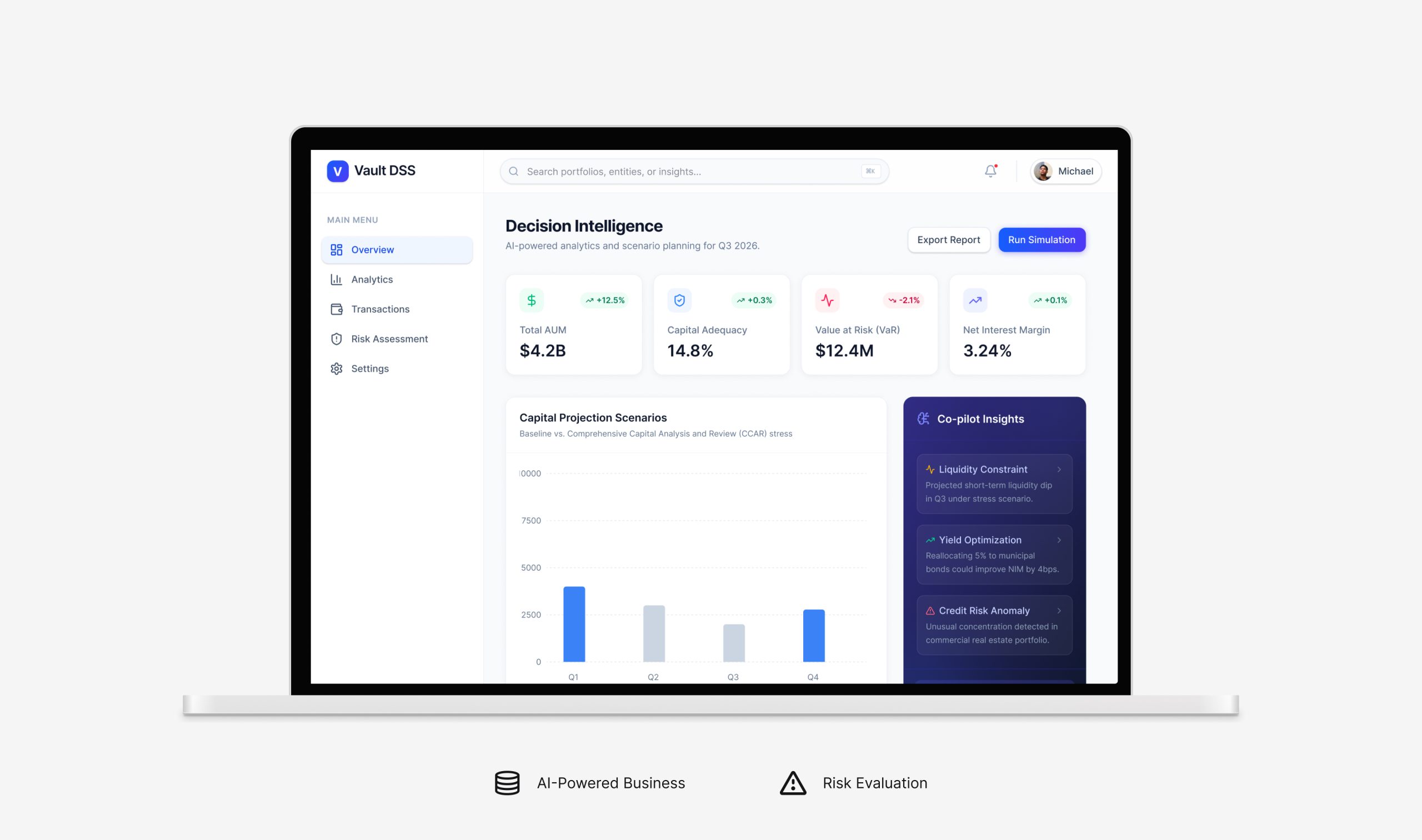
Building systems where AI assists complex decisions in finance, healthcare, operations, and enterprise platforms.
Predictive insights • Risk analysis interfaces • Intelligent recommendations • Scenario modelling tools
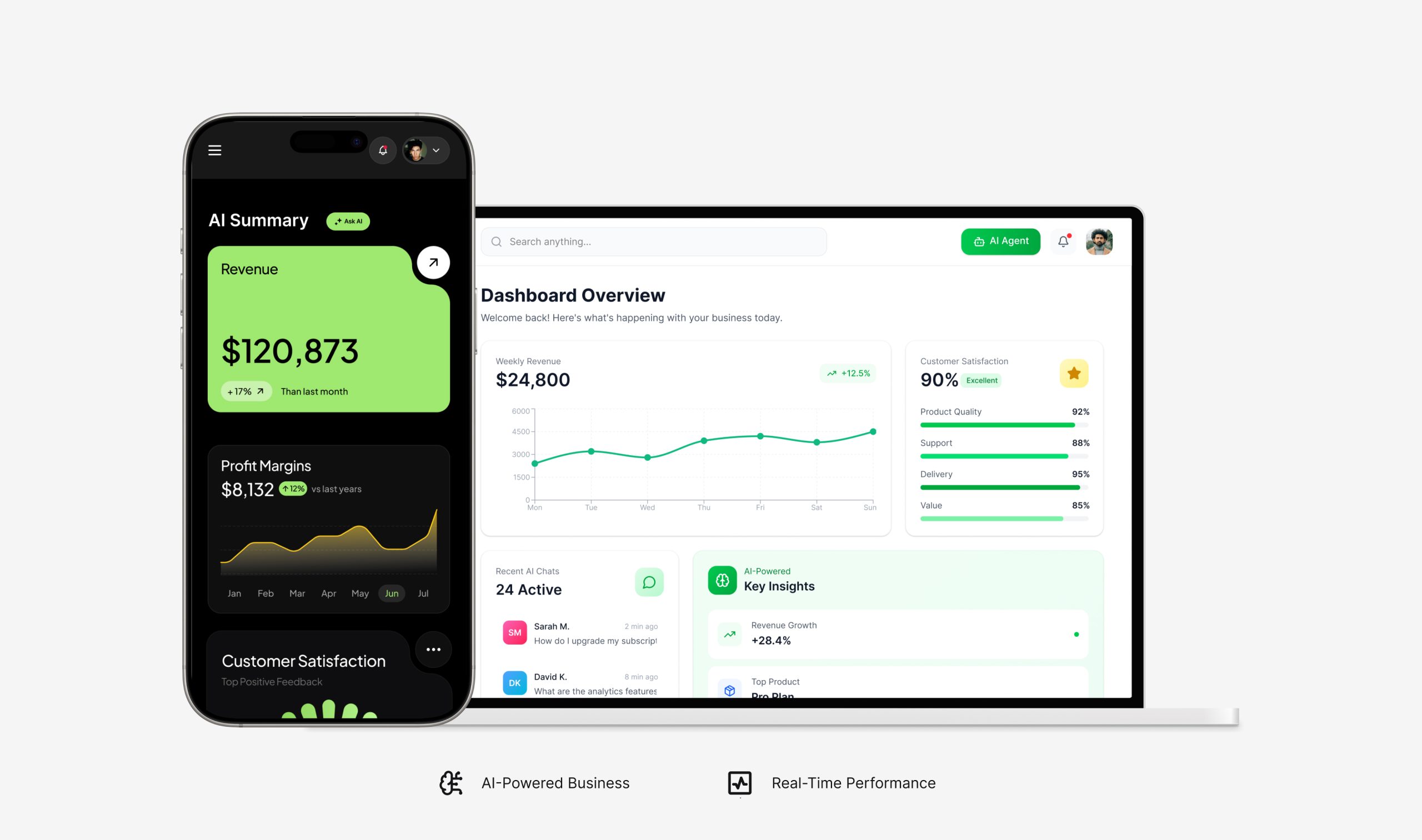
Transforming large data systems into interfaces that generate insight rather than overwhelm users.
Data visualization systems • AI-driven analytics dashboards • Operational intelligence platforms • Behaviour analytics tools
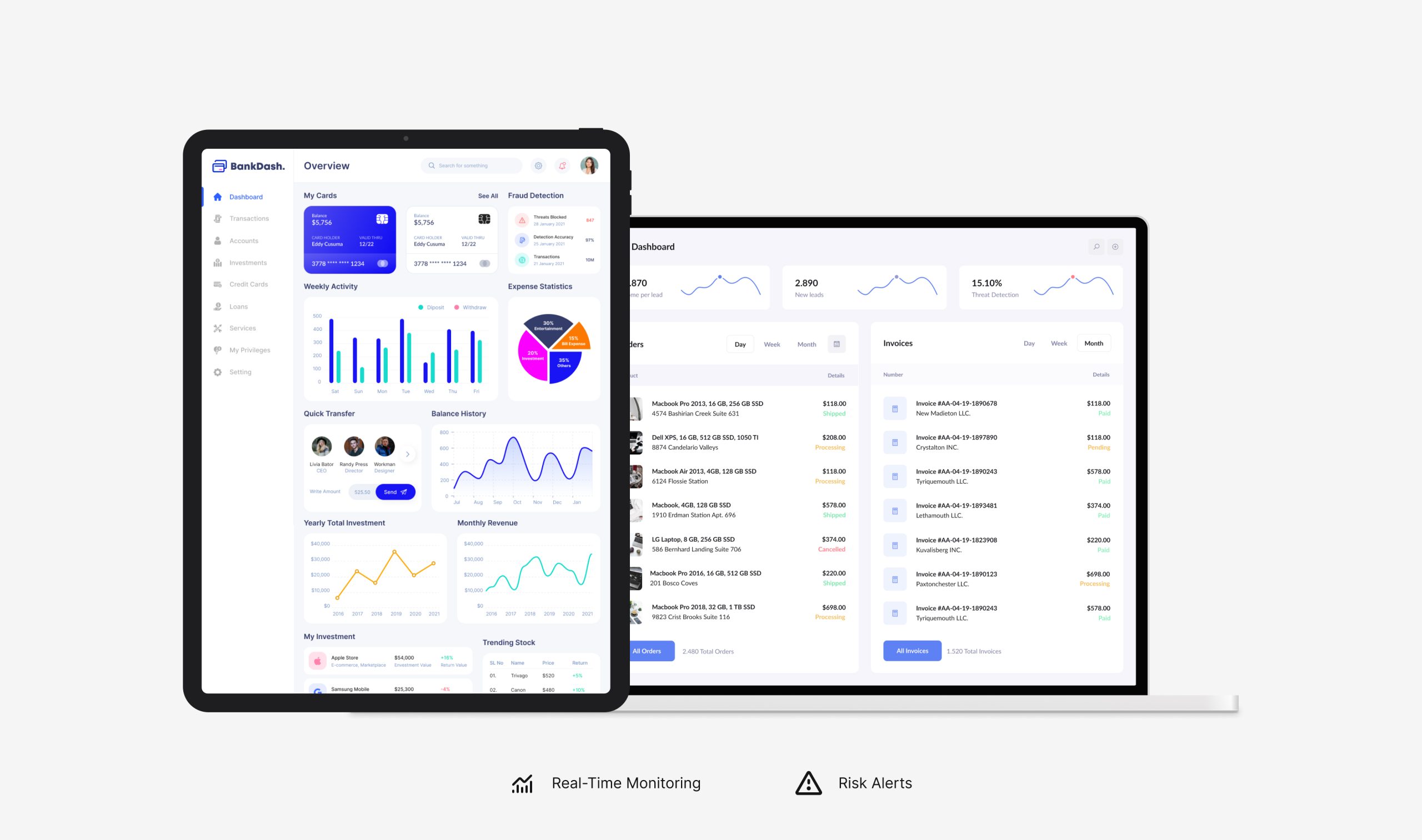
Designing and building products where intelligence becomes a core feature rather than an add-on.
Recommendation engines • Personalization systems • Predictive product features • Intelligent search and discovery
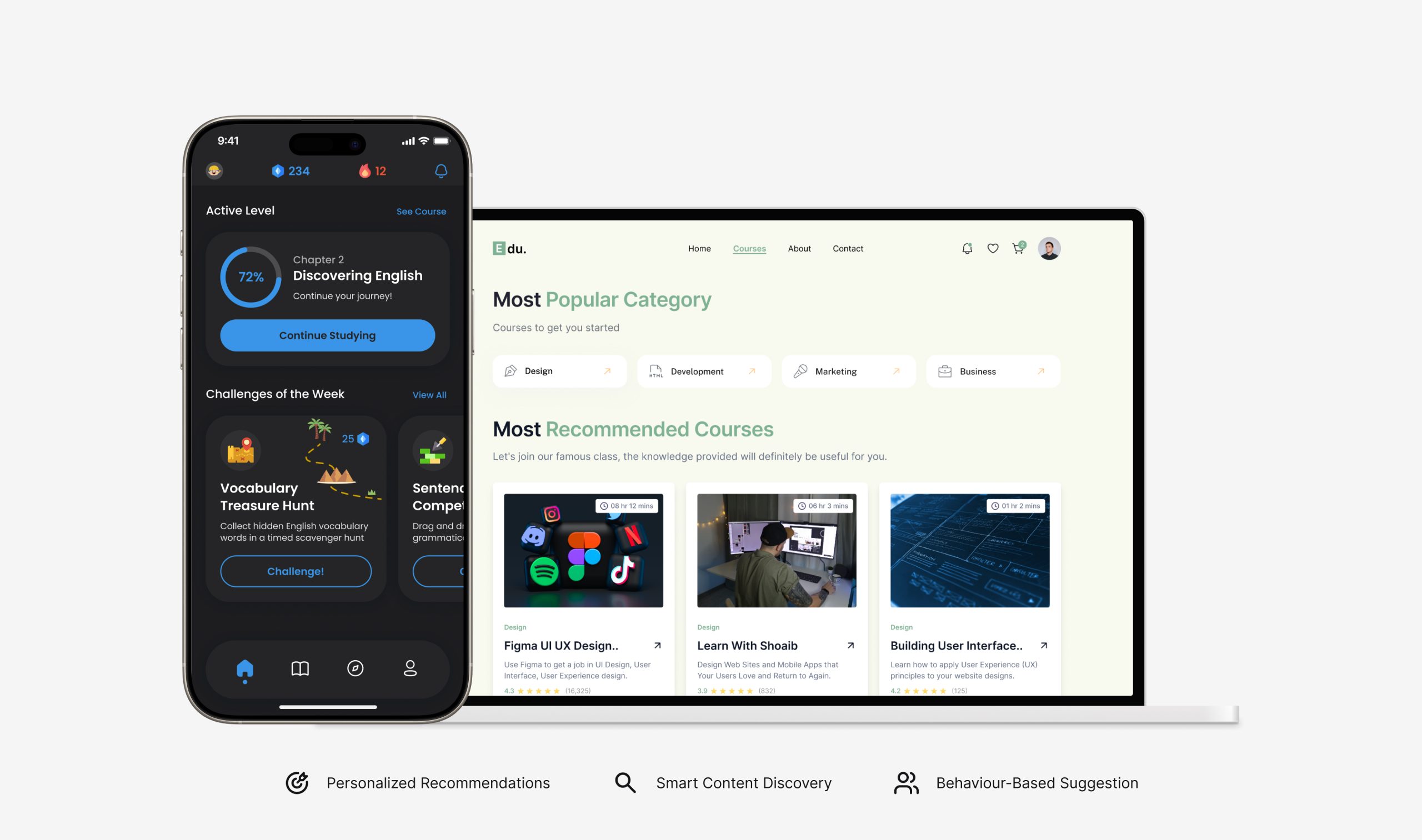
Embedding AI into complex organisational systems where adoption and workflow integration matter.
AI inside SaaS platforms • Workflow automation systems • Compliance-aware AI tools • Enterprise operational dashboards
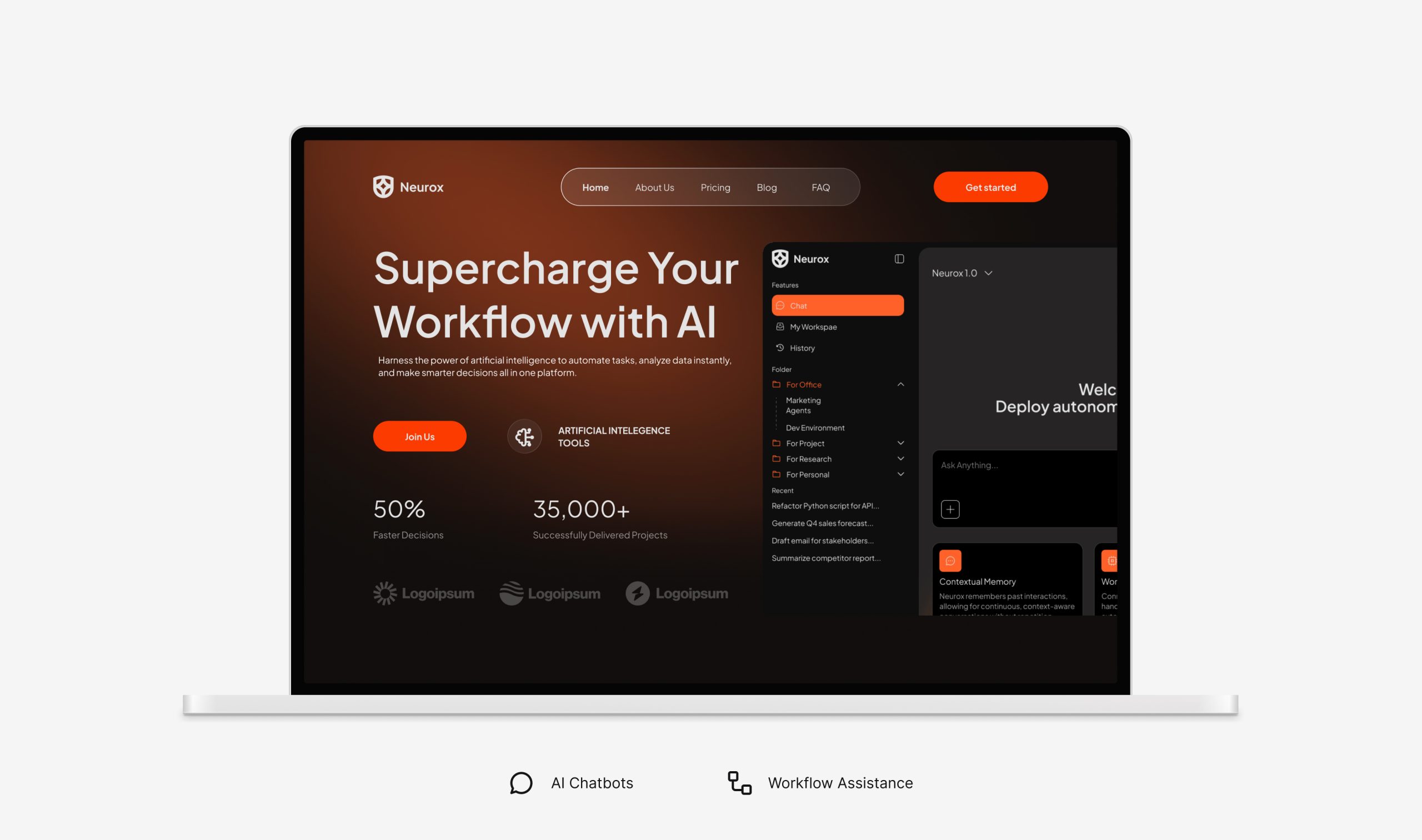
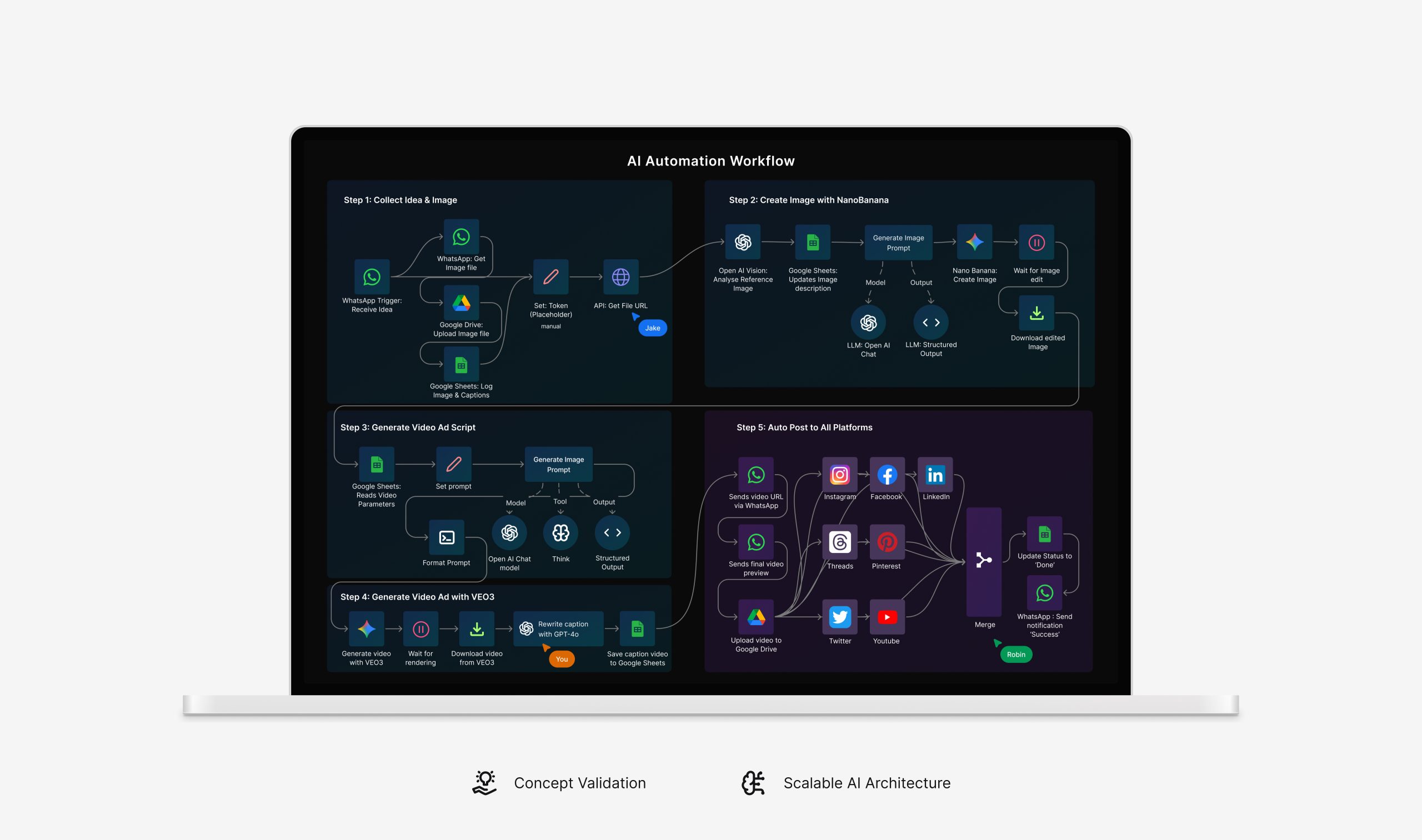
Helping teams explore, validate, and prototype AI opportunities before large technical investments.
AI opportunity research • Concept validation • Experience prototyping • AI product roadmapping
AI should not live in experiments or isolated features.
It should operate inside products, workflows, and decisions where intelligence creates real value.
We understand where
AI actually matters.
Not every product needs intelligence. But where decisions carry financial impact, operational risk, or human consequence, AI becomes essential. Across complex systems, regulated environments, enterprise platforms, and large-scale consumer products, intelligence shapes how decisions are made and how outcomes are delivered, from finance and healthcare to SaaS platforms, commerce ecosystems, and personal health experiences.
In these environments, intelligence is not an add-on. It defines behaviour, influences outcomes, and shapes how organisations operate.
We design systems where intelligence supports human judgment, integrates into real workflows, and performs reliably under pressure, making AI understandable, controllable, and trusted in real-world use.
Some case studies you would love
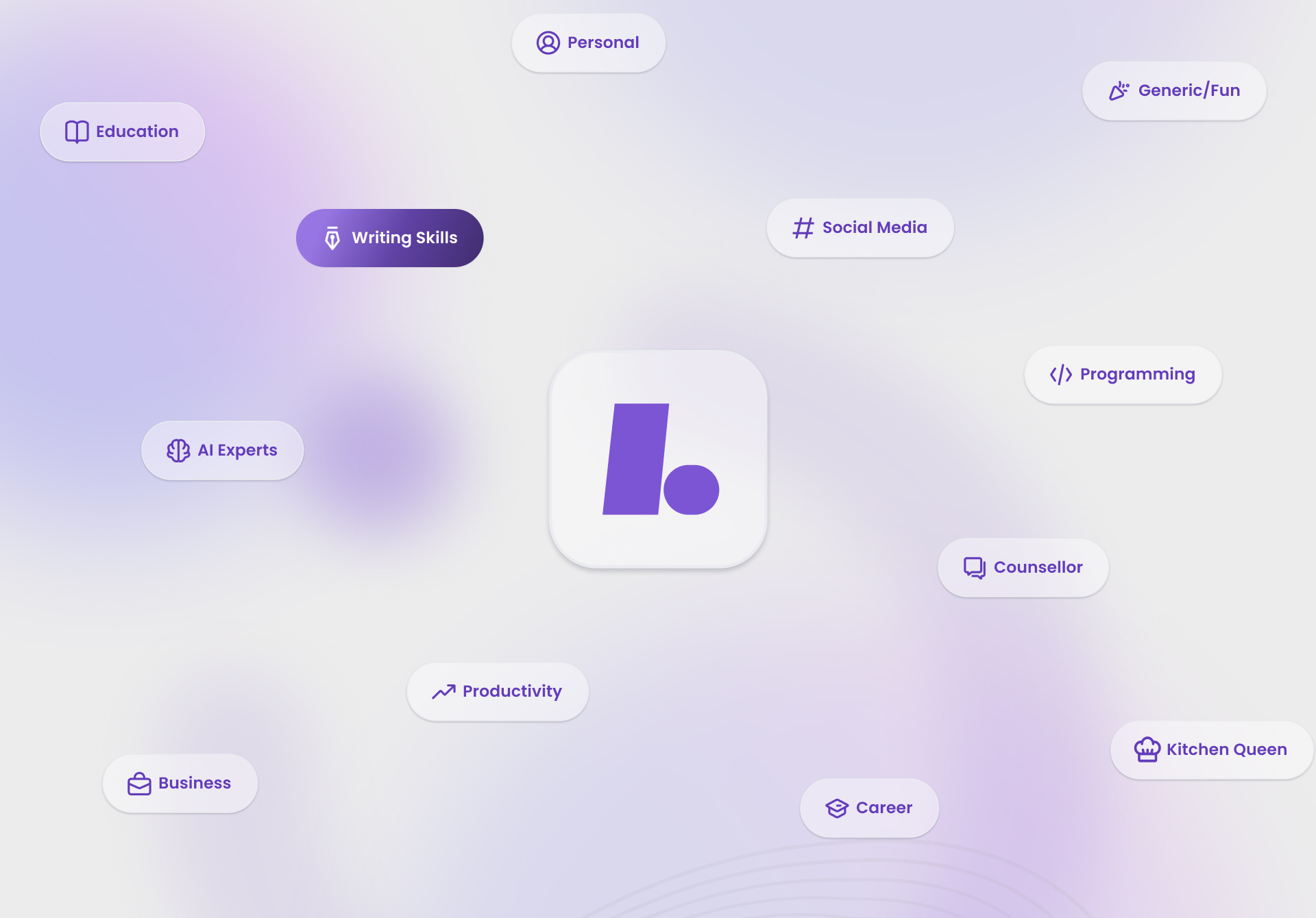
Human-Centered AI for meaningful conversations
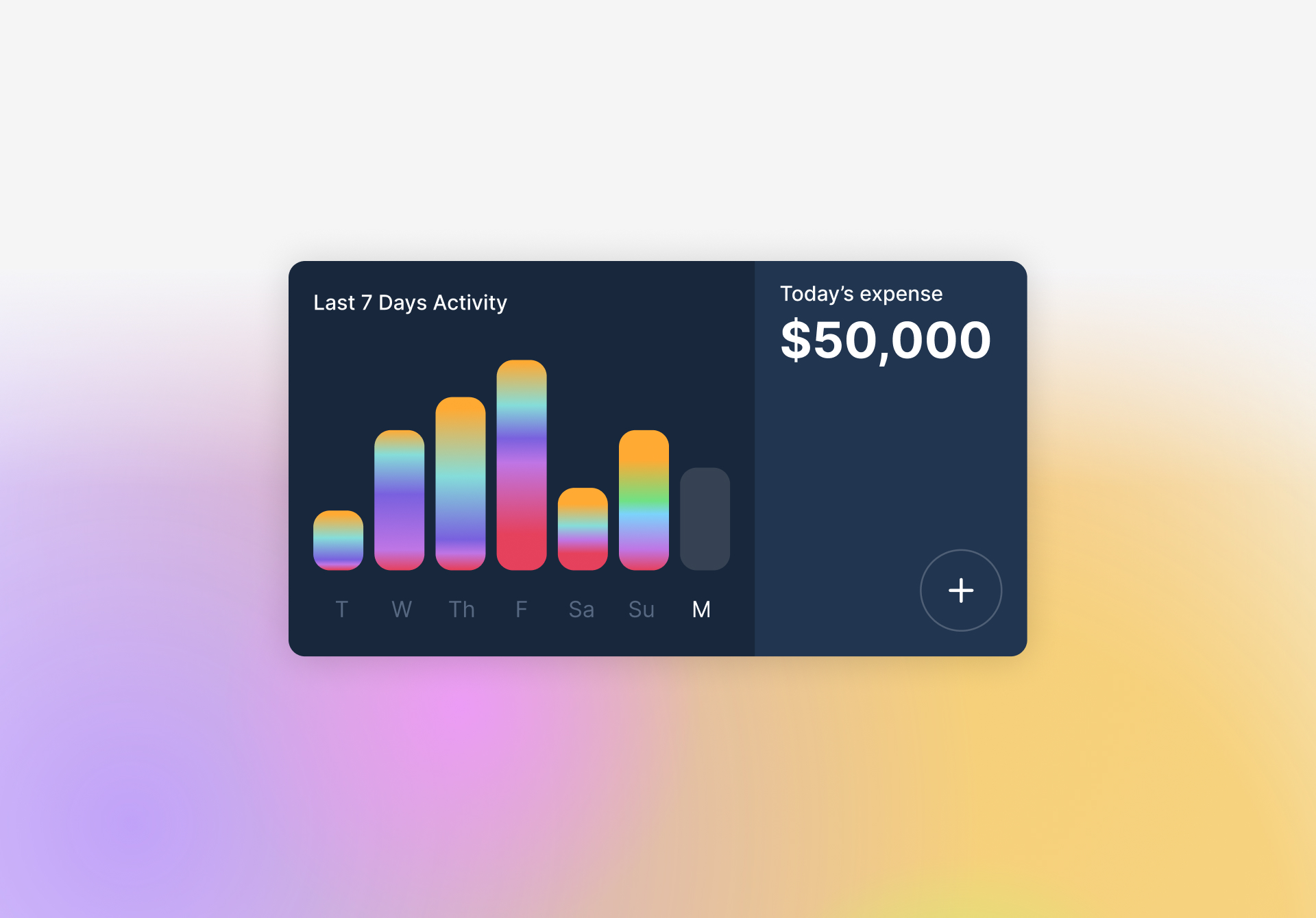
A different kind of finance app.

Where ancient wisdom meets AI-Powered experiences.
Designing for Bharat, at scale.
“What stood out about working with Kormoan wasn’t just their design quality, it was how deeply they understood what we were trying to build. AI was new territory for us, but they helped us think beyond features and focus on outcomes. It felt less like hiring a design partner and more like building alongside a thoughtful team that genuinely cared about the product.”
“We had strong AI capabilities, but the product experience wasn’t landing with users. Kormoan helped us translate complex intelligence into clear, intuitive flows. Their design thinking brought structure, restraint, and polish without slowing us down. The end result felt confident, human, and production-ready.”
“Design for AI often breaks down between vision and execution. With Kormoan, that gap didn’t exist. Their designs were ambitious, but always grounded in how systems actually work. It made collaboration between design and engineering smoother, faster, and far more effective.”
Three ways Kormoan can collaborate.
AI Product Audit
Design for AI engagement
A conversation
Frequently asked
questions.
Not at all. Design for AI becomes relevant the moment a product starts making decisions, predictions, or recommendations on behalf of users. That could be a complex AI system or something much simpler, like a smart workflow or an adaptive interface. What matters is not how “advanced” the AI is, but how its behaviour impacts people using the product.
It usually starts with understanding intent. We spend time unpacking what the system is meant to do, where intelligence fits in, and how much control users should have. From there, we shape flows, interactions, and decision points that make the system understandable and trustworthy. The process is collaborative and grounded in real product constraints, not abstract theory.
We work with both. Early-stage teams often need clarity before patterns harden, while mature products need recalibration as intelligence is layered in. The approach shifts depending on the stage, but the core focus remains the same: designing experiences that people can rely on, grow with, and feel confident using over time.
Traditional UX often assumes predictable systems and fixed outcomes. AI changes that. Design for AI deals with uncertainty, learning systems, and evolving behaviour. It requires thinking beyond screens and flows, and into trust, intent, feedback loops, and long-term relationships between users and systems.
Teams typically gain clarity on how intelligence should behave inside the product. The outcome is not just better interfaces, but stronger alignment between product strategy, AI capability, and human experience. Teams leave with a clear direction for how AI supports real decisions, builds trust with users, and delivers measurable business value.
Without Design for AI
- Feature-heavy systems with low adoption
- Unclear outputs that reduce trust
- Intelligence disconnected from real workflows
- Limited product impact
With Design for AI
- Clear, guided human–AI interactions
- Higher engagement and product adoption
- Trust through explainable behaviour
- Intelligence aligned with business outcomes
AI is easy to build.
Designing it to work and to be trusted is far harder.
We are here to help, feel free to reach out to us for any query.
Ready to Collaborate?
If you’re a founder, product leader, or business owner navigating AI decisions start with a design conversation, not a tool or a feature. We typically work with teams serious about building AI-driven products that last.
No pitch. No pressure. Just clarity.
What to expect
• A focused discussion on your product, not generic AI solutions
• Identification of where intelligence actually creates value
• Early direction on product behaviour, risks, and opportunities
• Clear next steps – whether to explore, validate, or build

Arushi Agarwal
Chief of Design
Designing AI-driven products for scale, trust, and usability
arushi@kormoan.in
More from Kormoan in Design for AI


- Posted by Arushi Agarwal


- Posted by Bushra Saifi

- Posted by Arushi Agarwal

- Posted by Bushra Saifi
- Posted by Ashutosh Srivastava


- Posted by Priya Singh


- Posted by Priya Singh

- Posted by Priya Singh