

User adoption is one of the important things for any SaaS product to be successful. Even the best software can fail if users find it hard to understand or frustrating to use. This is where SaaS product design comes in. A designed SaaS platform makes complex workflows simple improves usability and helps users quickly see the value of the SaaS product.
In today’s world businesses are relying more on expert design teams or specialized B2B product design agencies to create SaaS products that attract and keep users. This is because SaaS product design plays a role in making sure users adopt the product.
Understanding user adoption in SaaS
User adoption is about how users start using a SaaS product and make it a part of their daily work. High adoption rates usually happen when you have a combination of design, clear value and a smooth onboarding process. For SaaS companies user adoption has an impact on customer retention, subscription renewals and long-term revenue. That’s why it is so important to have SaaS Product Design from the beginning of product development.
The role of intuitive user experience
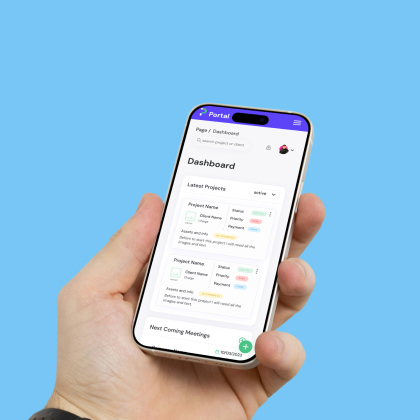
One of the barriers to SaaS adoption is complexity. Many SaaS tools have a lot of features, which can overwhelm users with interfaces and complicated navigation. Good SaaS design is about simplicity. Clean dashboards, logical workflows and clear navigation structures help users quickly understand how the SaaS product works. When users can do their tasks without getting confused they are more likely to keep using the SaaS product. SaaS product design is about making things easy for the users.
Design teams often do user research, usability testing and iterative prototyping to make sure the SaaS product meets the needs of the users. This helps to create a SaaS product that’s intuitive and easy to use.
Effective onboarding experiences
The time a user interacts with a SaaS product is often what decides whether they will keep using it. A strong onboarding experience helps users understand the features and quickly achieve their goals with the SaaS platform. Successful SaaS onboarding usually includes:
- Interactive product tours
- Guidance that makes sense in the context
- Clear step-by-step setup processes
- Personalized user journeys
A thoughtful onboarding process reduces friction and encourages users to explore the features of the SaaS product. This is a part of SaaS Product Design.
Personalization through design for AI
Modern SaaS products are using intelligence to enhance user experiences. This is where Design for AI becomes a part of the SaaS product strategy. AI-powered features can personalize dashboards, automate repetitive tasks. Provide intelligent recommendations based on user behavior. However designing AI-driven features requires attention to usability and transparency. Effective design for AI makes sure that users understand how AI features work and feel confident using them. When AI enhances productivity than creating confusion it significantly boosts user engagement and adoption of the SaaS product.
Designing for business workflows
Many SaaS platforms are used for business processes. That’s why understanding business workflows is a part of SaaS product design. A professional B2B Product Design Agency typically focuses on designing systems that fit how teams work than forcing users to adapt to the software. The SaaS product is designed around operational workflows. This approach ensures that SaaS tools become a part of operations than an extra burden for users.
Data visualization and clear insights
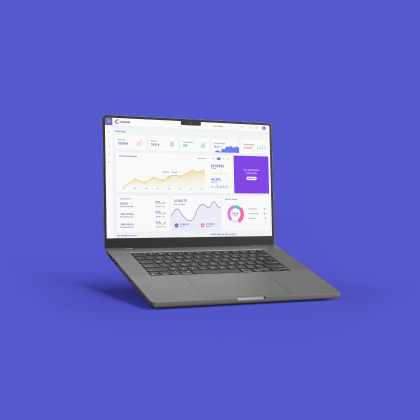
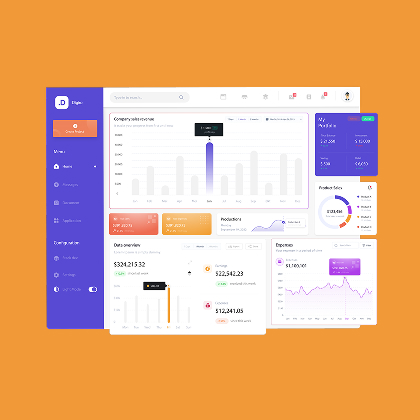
SaaS products often handle a lot of data. If this information is not presented clearly users may struggle to understand the value of the SaaS product. Effective design uses dashboards, charts and visual summaries to present data in a way that makes sense. When users can easily interpret insights and make decisions based on the data provided they are more likely to rely on the SaaS platform. This is an aspect of SaaS product design.
Continuous improvement through user feedback
Successful SaaS products are never static. Continuous design improvements based on user feedback help maintain engagement and increase adoption over time. Regular usability testing, product analytics and feature updates ensure that the SaaS product evolves alongside user expectations. Design teams that focus on iterative improvements create products that remain relevant and user-friendly as technology and market needs change.
Final Thoughts
Increasing user adoption in SaaS products requires more than features. It requires SaaS product design that prioritizes usability, intuitive workflows and meaningful user experiences. By integrating practices such as design for AI and partnering with teams businesses can create SaaS platforms that users not adopt quickly but continue to rely on every day. Ultimately when design focuses on solving user problems SaaS products become tools that drive both customer satisfaction and long-term business growth through SaaS product design.